
Pelvis and hip surgery
Pelvis and hip surgery concerns traumatic or degenerative conditions that can cause pain, loss of mobility and functional limitation. My role is to analyse each clinical situation precisely and determine, together with the patient, the most appropriate treatment strategy.
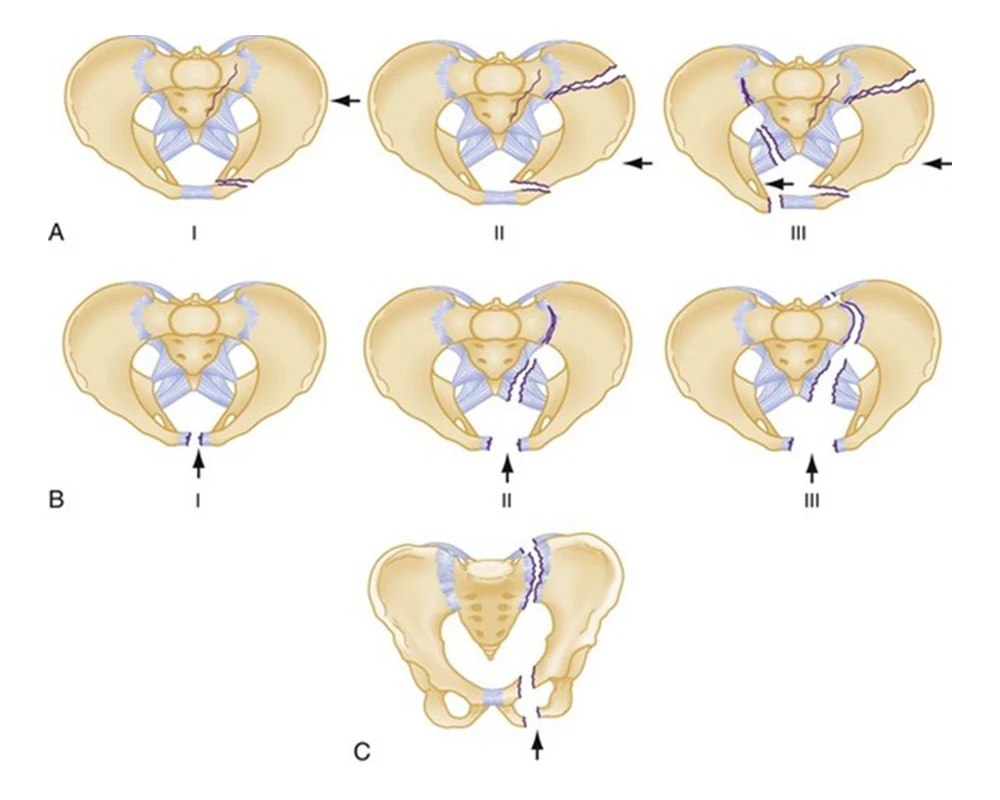
Pelvis and hip conditions
Pelvic trauma is linked to serious accidents in young patients, such as falls, work accidents or road traffic accidents. It also occurs frequently after simple falls in elderly patients.
These injuries may require specialised management in orthopaedic trauma, particularly when several bones or joints are involved.
If treated inadequately, these injuries can cause disability and loss of independence. The procedures involved are demanding, and few surgeons are accustomed to them. I followed specific training in Germany after my academic training in Belgium. I currently perform most of the procedures related to pelvic ring trauma within the Helora network.
Pelvic ring fracture in a 25-year-old patient following road trauma
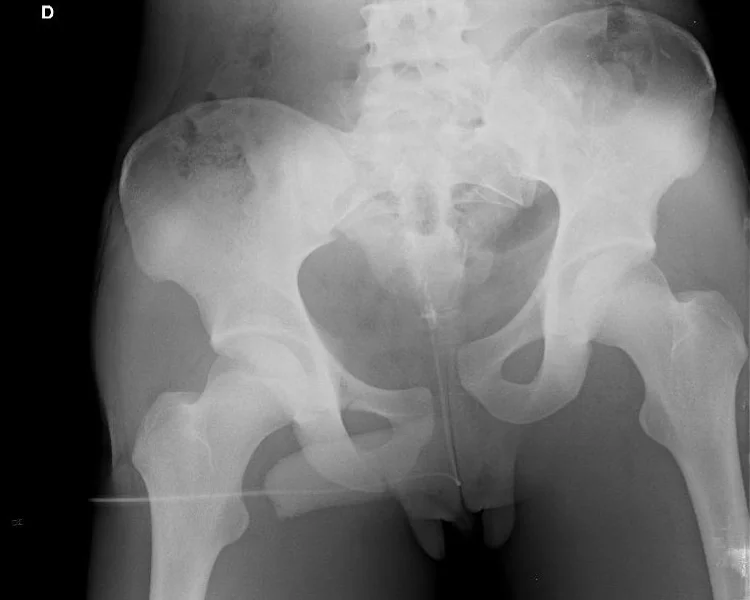 Opening of the pubic symphysis and displacement of the left sacroiliac joint. Associated fracture of the right femur.
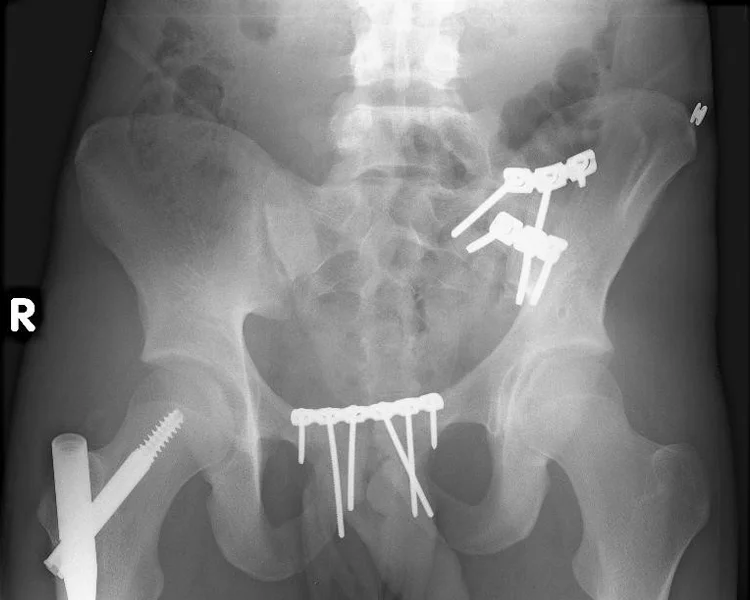 Post-operative X-ray. The different fractures and joint dislocations were reduced and fixed. The patient was able to bear weight on the right leg immediately and on the left leg after 6 weeks.
Hip trauma
The hip is a joint made up of two bones : the iliac bone on one side and the upper part of the femur on the other. The joint is formed between the head of the femur and a cavity in the iliac bone called the “acetabulum”. The bones may be fractured. A fracture of the iliac bone is called an acetabular fracture, while a fracture of the femur may involve the neck or the head of the femur.
-Classification of acetabular fractures
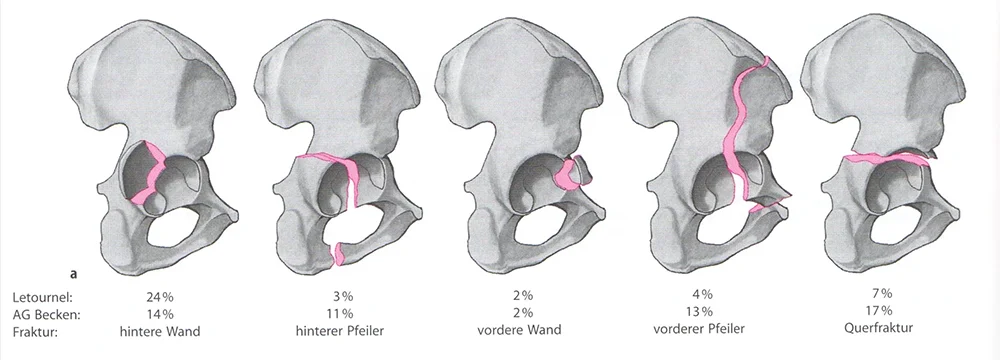
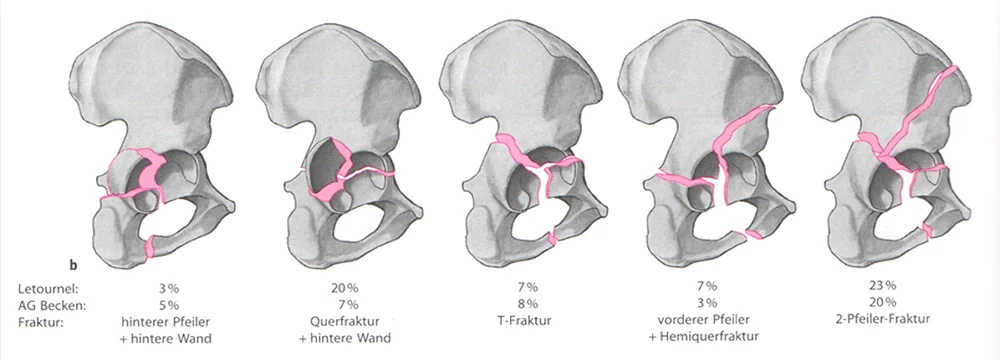
The joint can be understood as a ball bearing. Any poorly repaired injury to one of the joint surfaces will lead to rapid wear.
Acetabular fractures require management by a specialist because they are often technically difficult to treat. They occur after high-energy trauma in young patients, such as road traffic accidents, or after a simple fall in elderly patients.
Absence of treatment or poorly conducted treatment will lead to rapid osteoarthritis, with the need for a hip replacement in the short term.
Acetabular fracture in a 28-year-old patient hit by a car
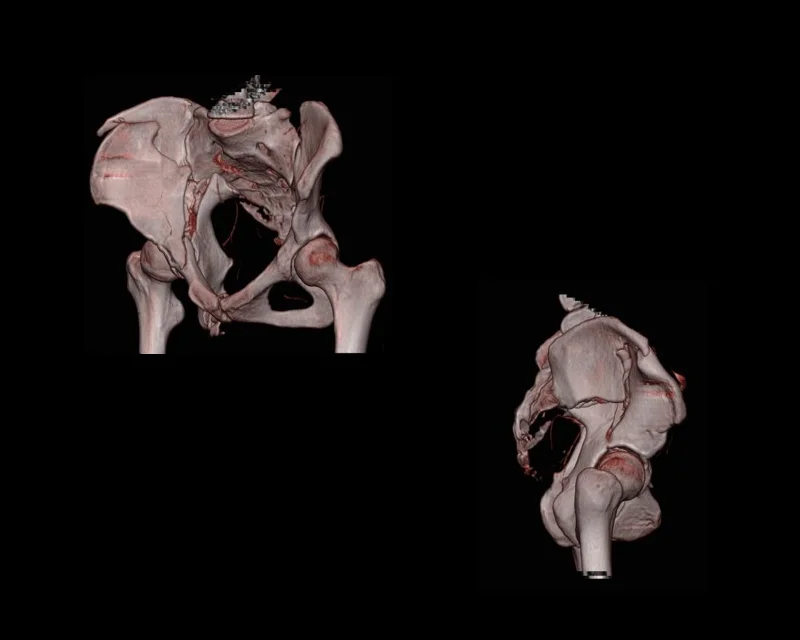 3D CT reconstruction
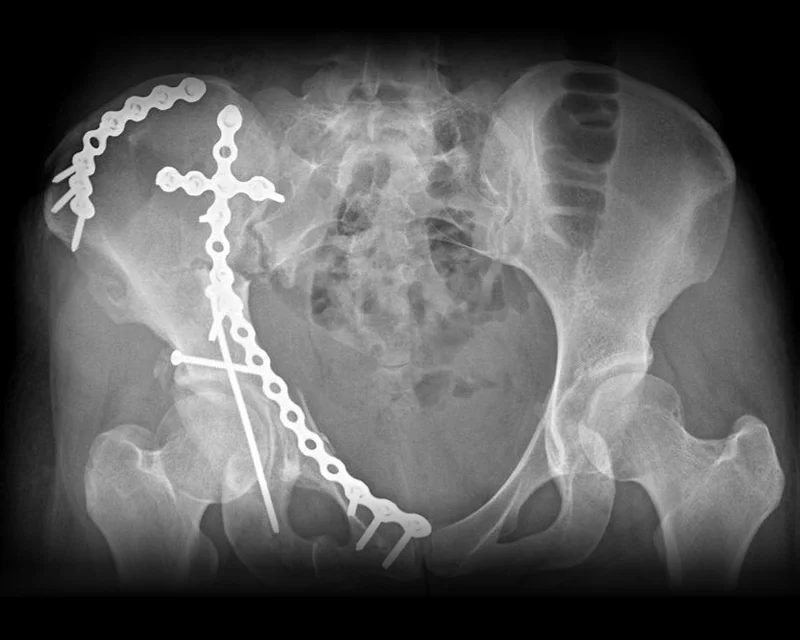 Post-operative X-ray.
The anatomy of the joint is restored and fixed with several screwed plates. The patient was able to start bearing weight on her leg after 2 months, and walking without crutches was authorised after 3 months.
Femoral neck fractures
These fractures are very common in elderly patients and must be treated rapidly to avoid loss of independence and potentially dangerous complications.
They must be operated on in order to allow rapid mobilisation and weight-bearing. Without surgery, pain forces the patient to remain lying in bed. This leads to many complications, such as ulcers, respiratory infection and urinary tract infection, which are often fatal.
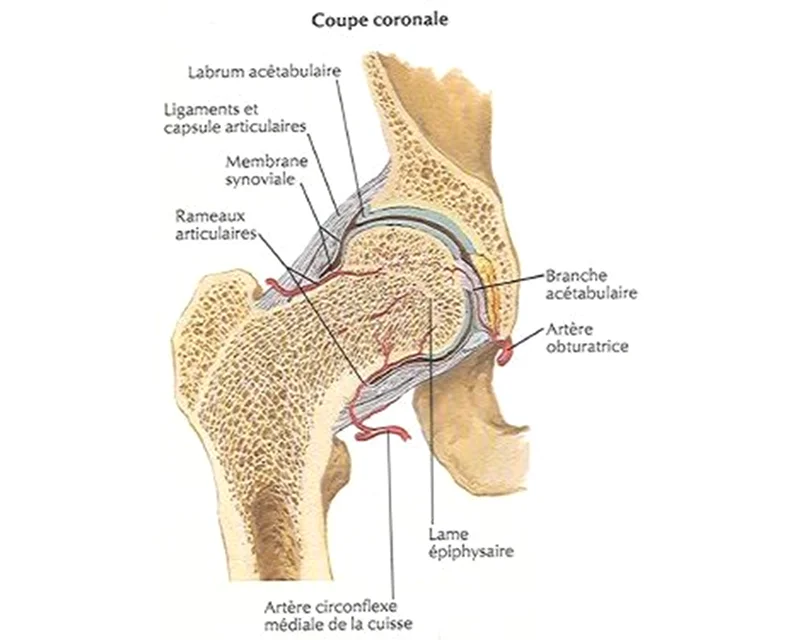
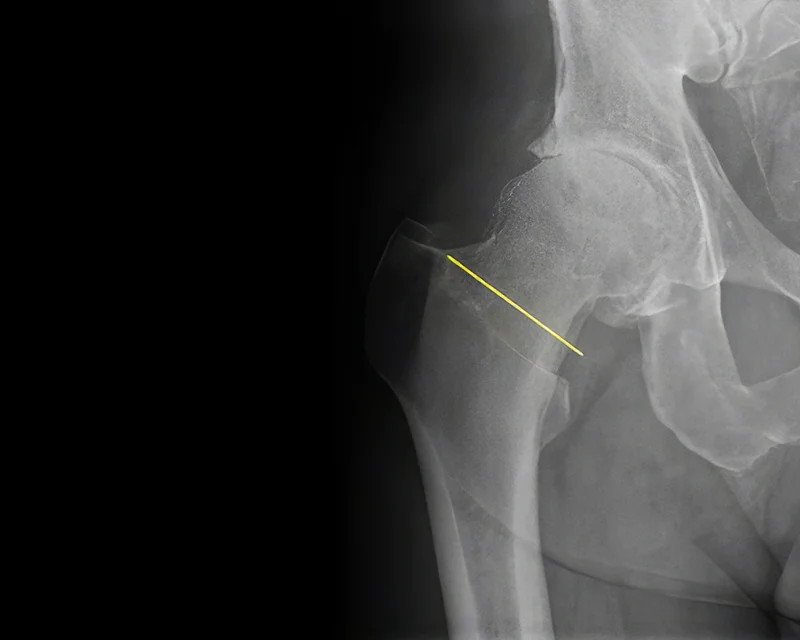
The type of procedure depends on the level of the fracture. Fractures located in the femoral neck and towards the head of the femur generally destroy the blood vessels supplying the femoral head. A prosthetic replacement must therefore be planned. When the fracture is located further down on the bone, in the trochanteric region, the blood vessels remain intact and the fracture can therefore be repaired. Fixation of the femoral neck is then performed.
Clinical implications of femoral head vascularisation : femoral neck fractures
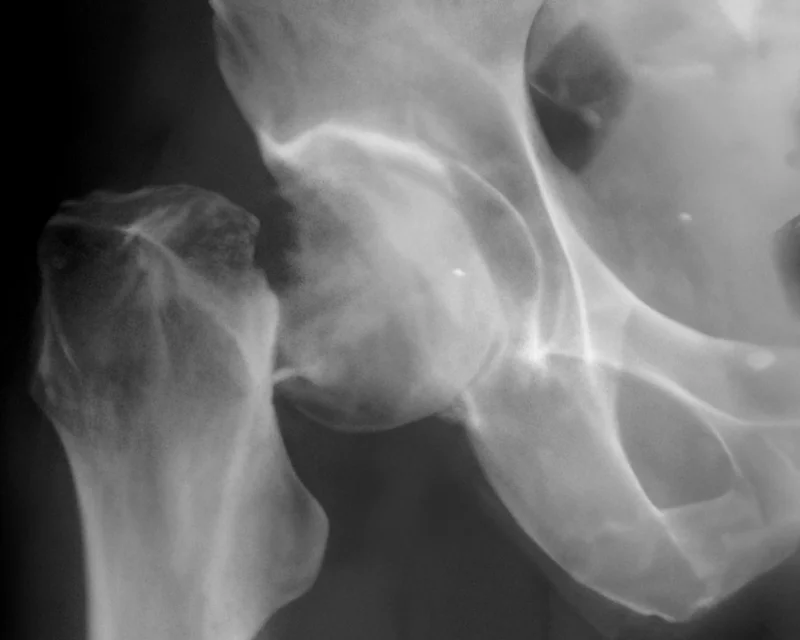 Displaced femoral neck fracture
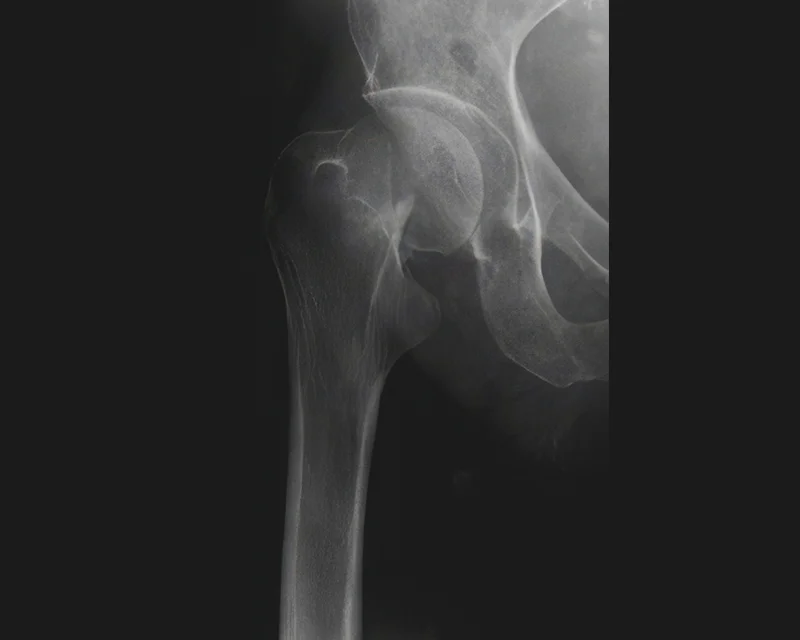 Rupture of the blood vessels supplying the head of the femur. High risk of femoral head necrosis
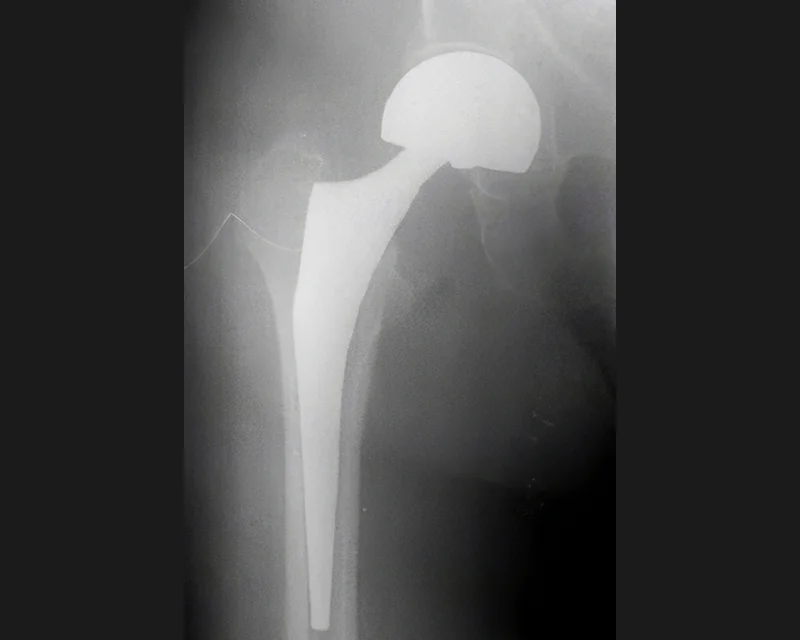 Prosthetic replacement
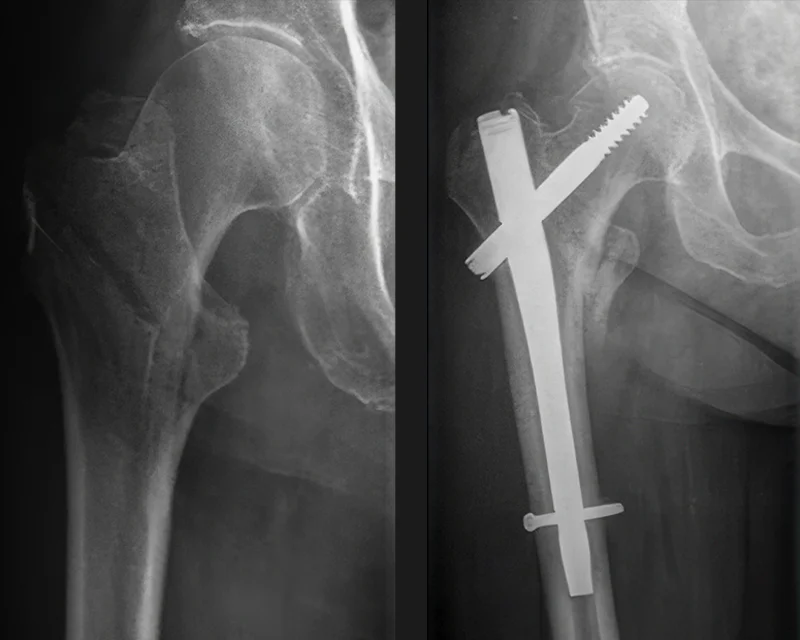 Fracture at the intertrochanteric line, also called a pertrochanteric fracture. The blood supply to the femoral head is preserved. Very low risk of necrosis, osteosynthesis.
Hip osteoarthritis
Hip osteoarthritis, also called coxarthrosis, corresponds to progressive wear of the cartilage covering the joint surfaces. This deterioration can cause pain in the groin, hip or thigh, as well as a gradual decrease in mobility.
Initially, conservative treatment may be proposed, including medication, physiotherapy sessions or adaptations to daily activities. When the pain becomes significant and the functional limitation has a lasting impact on quality of life, surgical treatment, such as total hip replacement, may be considered after a complete assessment of the situation.
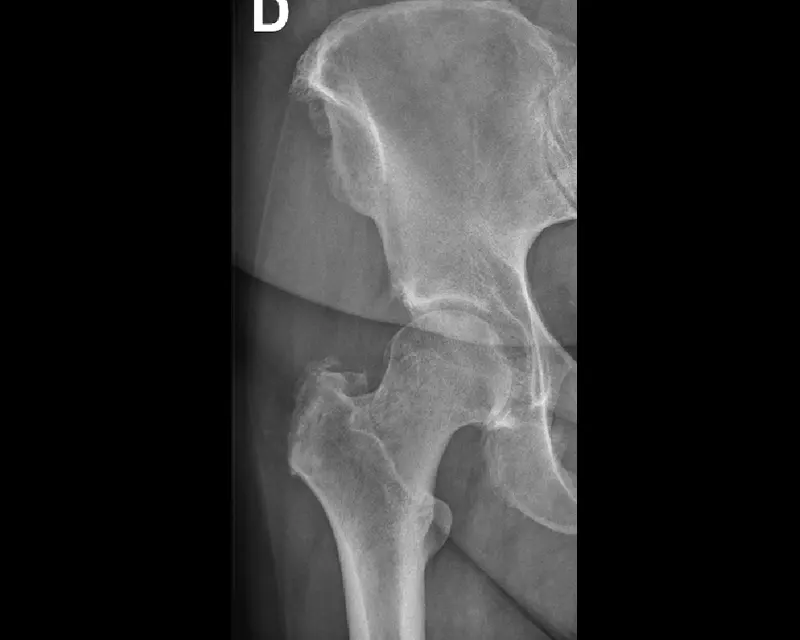 Right hip X-ray with no or little wear
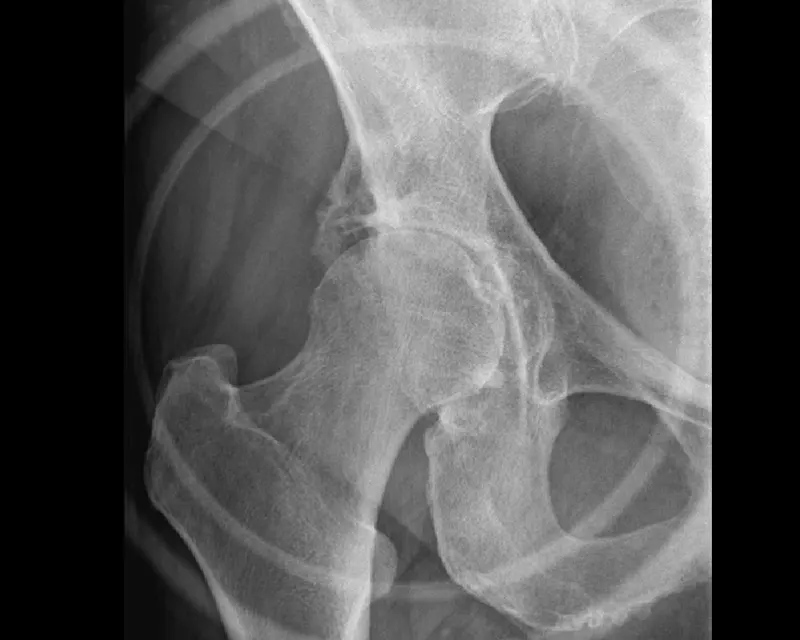 Hip osteoarthritis, or coxarthrosis, with almost complete disappearance of the space between the femoral head and the pelvic bone
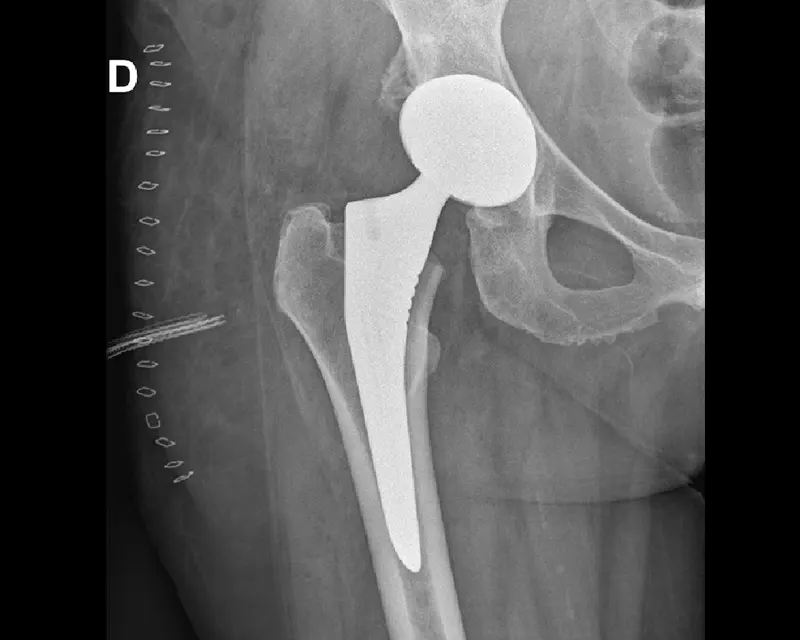 X-ray of the same patient the day after surgery
When should surgery be considered ?
The decision to operate depends on several factors :
- Pain intensity
- Functional limitation
- Failure of conservative treatments
- Results of radiological examinations
As an orthopaedic surgeon, I may consider surgery when the discomfort significantly affects quality of life or when bone stability is compromised.
Total hip replacement surgery is generally performed under general anaesthesia, after prior discussion during the anaesthesiology consultation, during a hospital stay of 2 to 3 days. Returning home is possible when the patient is able to go to the toilet alone and go up and down a flight of stairs. Crutches are generally used, but these two conditions must be achieved without another person’s help.
Wound care is required for 3 weeks, as well as anticoagulant treatment and compression stockings for one month after surgery. Physiotherapy is planned as needed, up to 60 sessions. Time off work or activities ranges from 2 weeks to 4 months, depending on physical demands, from office work for a self-employed person to manual work in construction.
Surgery should be considered when the hip is painful and limits daily life to the point that you are ready to dedicate 3 months of your time to it.
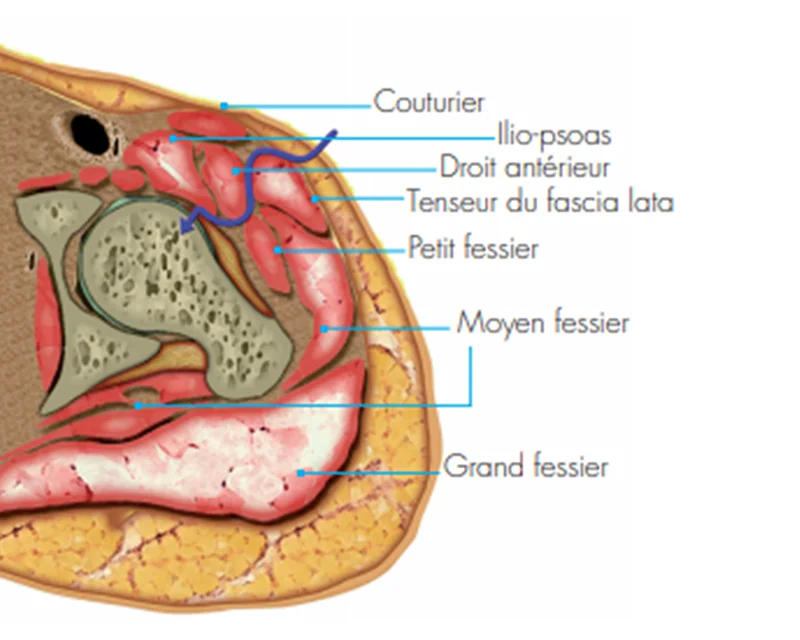
Principles of surgical management
X-rays taken before surgery allow the operation to be planned and the optimal prosthesis size to be selected for the patient. In complex situations, a CT scan of the hip or pelvis is sometimes necessary.
I perform the operation by passing between the muscles at the front of the joint. This is called an anterior approach. It avoids interfering with the muscles needed for walking and rehabilitation. Recovery is extremely rapid; walking can sometimes be resumed in the afternoon when the operation takes place in the morning.
The joint is also very stable, with a risk of prosthesis dislocation below 0.5%.
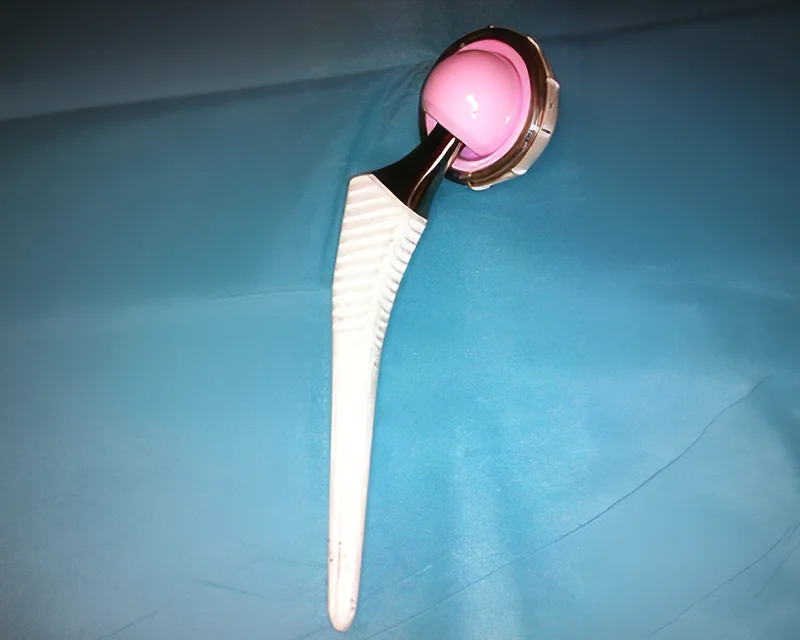
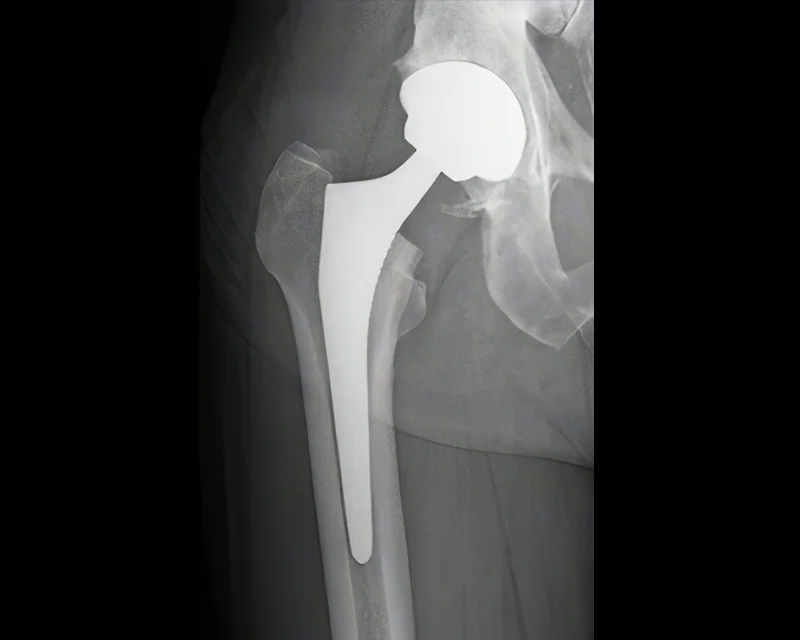
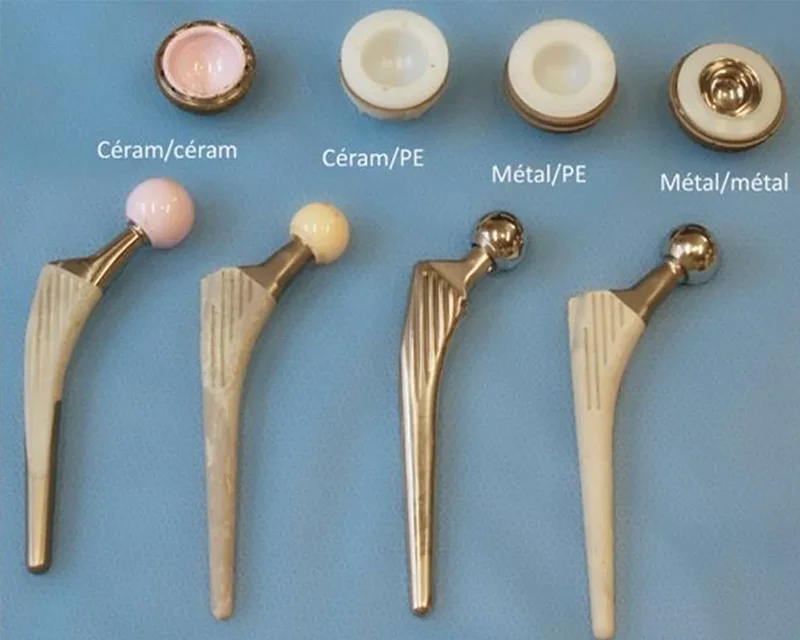
The prosthesis is composed of two metal components, made of titanium, chromium and cobalt alloys, inserted into the bone. These components have a surface treatment that allows them to integrate into the bone without using cement. The metal parts articulate with each other through a femoral head and a ceramic acetabular insert. This high-density material is very resistant to wear. The current lifespan of a hip prosthesis with a ceramic friction couple is around 30 years.
Illustration of hip osteoarthritis with the prosthesis and post-operative X-ray
Follow-up and recovery
The aim of the procedure is to allow weight-bearing and walking as quickly as possible. Rehabilitation begins the day after the operation. Returning home is authorised when the patient is able to go to the toilet and go up and down a flight of stairs without help from another person.
Wound care should be planned for 3 weeks, as well as anticoagulant treatment, by subcutaneous injections, for 30 days.
Driving can often be resumed after 3 to 4 weeks. A good recovery generally takes 2 months, meaning easy outings outside the home. Returning to heavy professional activity often requires 4 to 5 months.
Recovery obviously depends on the initial condition, the type of procedure and the patient’s own characteristics.
My surgical practice of the lower limb also includes knee and foot surgery.
Is hip replacement systematic in case of osteoarthritis ?
No. A prosthesis is necessary when medical treatments are no longer sufficient.
How long does hospitalisation last ?
The duration varies depending on the type of procedure and the patient’s general condition. The average hospital stay for a hip replacement is 2 to 3 days.
Can physical activity be resumed after hip surgery ?
Yes, provided there is appropriate supervision and medical advice during follow-up.